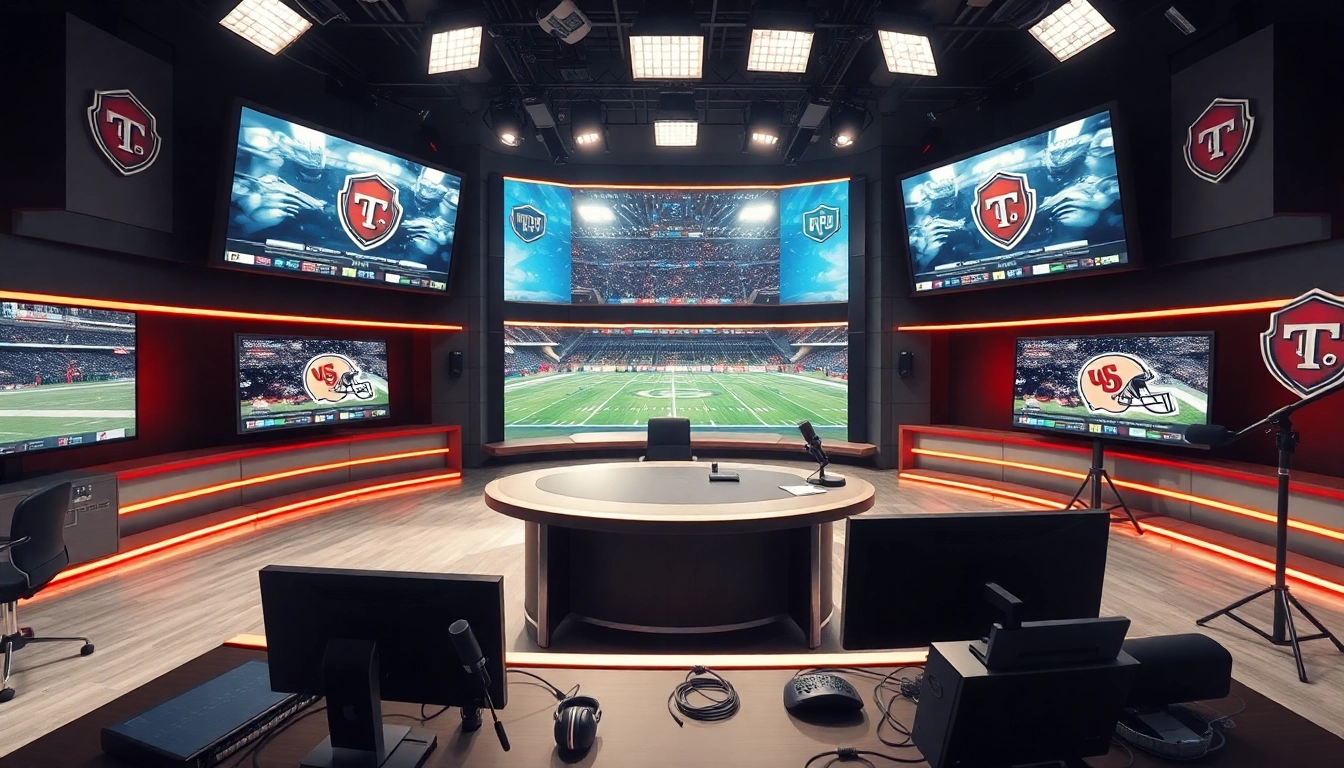
Understanding Sports Broadcasting
What is Sports Broadcasting?
Sports Broadcasting is the process of reporting, commenting on, and transmitting live or recorded sporting events to an audience. The broadcasts can take numerous forms, from traditional television and radio to modern digital platforms. It serves to inform, entertain, and engage fans, fostering a deeper connection with the sports they love. With the rise of the internet, the way we consume sports has evolved tremendously, providing more options for fans than ever before. This has led to innovative formats and channels, turning sports broadcasting into a dynamic field. For more information, check out Sports Broadcasting.
The Evolution of Sports Broadcasting
The journey of sports broadcasting began in the early 20th century with radio broadcasts of major games, bringing sports into homes across America. As technology advanced, television became the dominant medium, significantly affecting the way fans experienced sports. The advent of cable networks expanded the landscape even more, paving the way for dedicated sports channels. Recently, the paradigm shift towards streaming services has further transformed the industry, allowing viewers to access their favorite sports on-demand. In each phase of this evolution, broadcasters have adapted to new technologies and audience preferences, shaping the future of sports media.
Key Players in Sports Broadcasting
The sports broadcasting landscape is inhabited by several key players, including networks, commentators, analysts, production teams, and sports organizations themselves. Major networks invest heavily in securing broadcasting rights for flagship events like the Super Bowl or the World Cup, while commentators and analysts craft the narrative that shapes viewer perceptions. Behind the scenes, production teams develop engaging visual content that enhances the viewing experience. Meanwhile, sports organizations work closely with broadcasters to ensure their brand and image resonate throughout the broadcast.
Essential Skills for Sports Broadcasting
Communication and Presentation Skills
One of the foremost skills required in sports broadcasting is the ability to communicate effectively. A broadcaster must be articulate, engaging, and able to convey complex information in a relatable way. Presentation skills also play a vital role, as the ability to connect with an audience adds authenticity and emotional weight to the commentary. This involves not just speaking clearly, but also using body language and facial expressions to enhance the connection with viewers. Every sport has its own set of terminologies, making it crucial for broadcasters to learn and correctly apply these terms in their commentary to maintain credibility.
Technical Knowledge in Broadcasting
Understanding the technical aspects of broadcasting is essential for any professional in this field. This includes proficiency in operating broadcasting equipment, knowledge of audio and visual editing, and familiarity with various streaming platforms and technologies. As sports broadcasts often involve real-time action, professionals must be adept at managing technical issues that may arise during live events, ensuring a seamless viewing experience. Mastering production software and tools is also advantageous, allowing broadcasters to create high-quality segments that capture and hold audience interest.
Research Skills for Effective Commentary
Effective sports commentary requires thorough research. Broadcasters must stay informed about player statistics, team dynamics, historical context, and emerging trends in the sport. This background knowledge not only enriches commentary but helps build credibility with the audience. Analysts and commentators should also be ready to pivot and provide context for unexpected events during live broadcasts. This adaptability, paired with deep research skills, ensures that the commentary remains relevant and insightful, engaging the audience throughout the event.
Best Practices in Sports Broadcasting
Crafting Engaging Commentary
Creating engaging commentary is a balance between delivering factual content and infusing it with personality. Broadcasters should strive for a storytelling approach, weaving narratives that capture the drama of sports. This might involve highlighting pivotal moments in a game and relating them to historical events or personal stories from players. Emotional resonance combined with factual accuracy fosters a connection between the broadcaster and their audience, turning a simple game into a meaningful experience.
Utilizing Social Media for Enhanced Engagement
In today’s digital age, social media has become an invaluable tool for sports broadcasters. Platforms like Twitter, Instagram, and TikTok enable live interaction with fans, fostering engagement during and after broadcasts. Broadcasters can share behind-the-scenes content, highlight clips, and even respond directly to viewers to build a sense of community. This two-way interaction not only enhances viewer experience but also provides critical feedback and insights into audience preferences and sentiments.
Understanding Audience Demographics
Successful sports broadcasting is rooted in understanding the demographics of the audience. Different age groups, genders, and regions may have varying interests in specific sports and events. Conducting audience analysis helps broadcasters tailor their content to resonate with their target audience. This analysis might involve surveys, viewer statistics, or social media insights. Adaptation based on these metrics allows broadcasters to maximize engagement and viewer satisfaction.
Challenges in Sports Broadcasting
Adapting to Rapidly Changing Technologies
The fast-paced technological landscape poses significant challenges for sports broadcasters. With the rapid advancement of virtual reality (VR), augmented reality (AR), and mobile streaming, professionals must continually upgrade their skills to stay relevant. This requires ongoing education and training in emerging technologies, ensuring that broadcasters can leverage new tools to enhance the viewer experience while maintaining high production standards.
Handling Live Broadcasts and Unforeseen Events
Live broadcasting inherently comes with unpredictable challenges, from technical glitches to unexpected events occurring during a game. Broadcasters must develop contingency plans for such situations, fostering a culture of adaptability and crisis management. This might include having backup equipment ready, rehearsing emergency checklists, or fostering a team environment that prioritizes quick thinking and problem-solving during live broadcasts.
Maintaining Objectivity in Commentary
One of the critical challenges in sports broadcasting is maintaining objectivity while providing commentary. Broadcasters often have personal biases based on their favorite teams or players, which can unknowingly influence their narrative. To counteract this, professionals should adhere to ethical guidelines and strive for impartial commentary, ensuring all perspectives are represented fairly. This approach bolsters credibility and enhances the viewer experience, as audiences appreciate authenticity and balanced reporting.
Future Trends in Sports Broadcasting
Impact of Streaming Services on Broadcasting
The rise of streaming services has dramatically transformed sports broadcasting. Major networks are competing not only against each other but also against online platforms that offer on-demand content. This shift enables fans to watch their chosen sports without restrictions around broadcasting times. Furthermore, streaming services often provide unique features like multiple camera angles, interactive graphics, and integrated social media, offering an enriched viewing experience tailored to individual preferences.
Integration of Augmented Reality Techniques
Augmented reality (AR) is set to revolutionize how audiences engage with sports content. Imagine viewers wearing AR glasses that provide real-time statistics and player information layered onto the live action they’re witnessing. This technology enhances engagement, making broadcasts not only more informative but also immersive. As AR technology continues to advance, broadcasters will have powerful new tools at their disposal to captivate audiences in unprecedented ways.
Emerging Technologies in Audience Engagement
Alongside AR, numerous other technologies are emerging to enhance audience engagement in sports broadcasting. Artificial intelligence (AI) can be employed to deliver personalized content based on viewer preferences, while machine learning algorithms can analyze audience behavior to suggest tailored highlights or supplemental materials. As these technologies continue to evolve, broadcasters will need to embrace innovation to remain competitive in a highly dynamic market.
FAQs About Sports Broadcasting
What does a sports broadcaster do?
A sports broadcaster provides live commentary, analysis, and reporting on sporting events. They engage viewers with statistics, stories, and expert insights while enhancing the audience’s enjoyment of the game or sporting event.
What skills are needed for sports broadcasting?
Essential skills include strong communication abilities, technical knowledge of broadcasting equipment, research skills, and the ability to adapt to live situations. Commentary deserves both factual accuracy and engaging delivery.
Where can I watch sports broadcasting?
Sports broadcasting is available through various channels, including traditional television networks, radio, and increasingly, streaming platforms that offer on-demand access to sports events globally.
How has technology affected sports broadcasting?
Technology has transformed sports broadcasting by enhancing production quality, diversifying platforms (like streaming), and providing interactive elements that boost viewer engagement, such as real-time stats and multiple camera angles.
What are the future trends in sports broadcasting?
Future trends include the integration of augmented reality, advancements in personalized content delivery through AI, and the continued rise of streaming platforms that offer increased flexibility and enhanced viewer engagement.